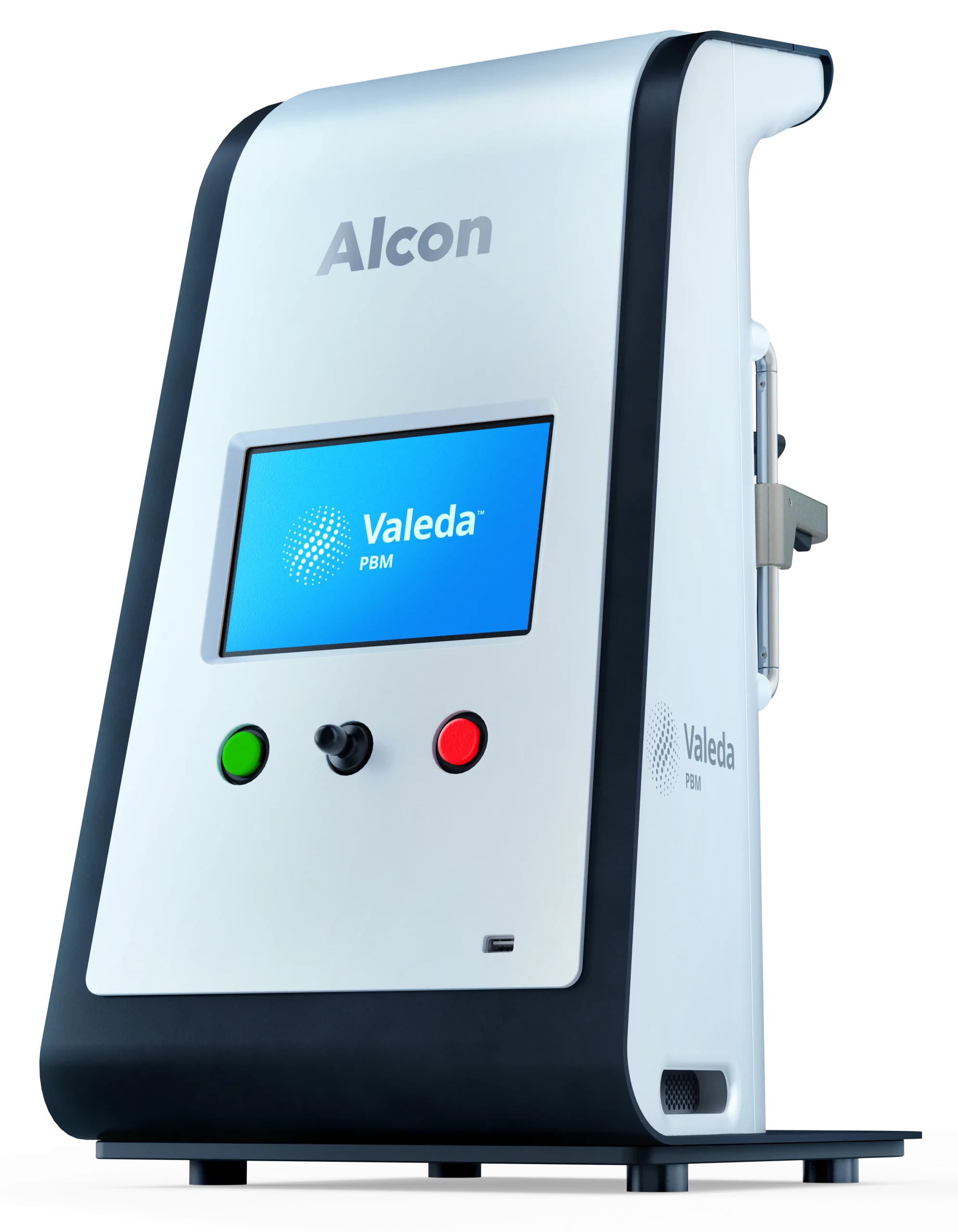
Photobiomodulation Valeda Therapy for Dry AMD
Valeda Light Therapy
Retina Macula Institute of Arizona is proud to offer Valeda® photobiomodulation therapy for appropriate patients with dry age-related macular degeneration.
Valeda is a non-invasive light therapy designed to improve visual acuity in patients with early- to intermediate-stage dry AMD who meet specific clinical criteria.
Dry AMD is a progressive retinal condition that can affect central vision, reading, driving, facial recognition, and other daily activities. Until recently, many patients with dry AMD had limited treatment options beyond monitoring, lifestyle changes, and nutritional support. Valeda light therapy gives eligible patients another option to discuss with their retina specialist.
Treatment with Valeda is performed in the office using the Valeda Light Delivery System. The therapy uses targeted wavelengths of light to stimulate cellular activity in the retina. The goal is to support healthier retinal cell function, help preserve vision, and reduce the impact of dry AMD progression over time.
To determine whether Valeda treatment is right for you, patients must complete an evaluation with a retina specialist at Retina Macula Institute of Arizona. This evaluation may include a dilated eye exam, retinal imaging, and a review of your diagnosis, vision, medical history, and treatment goals.



About Dry Age-Related Macular Degeneration
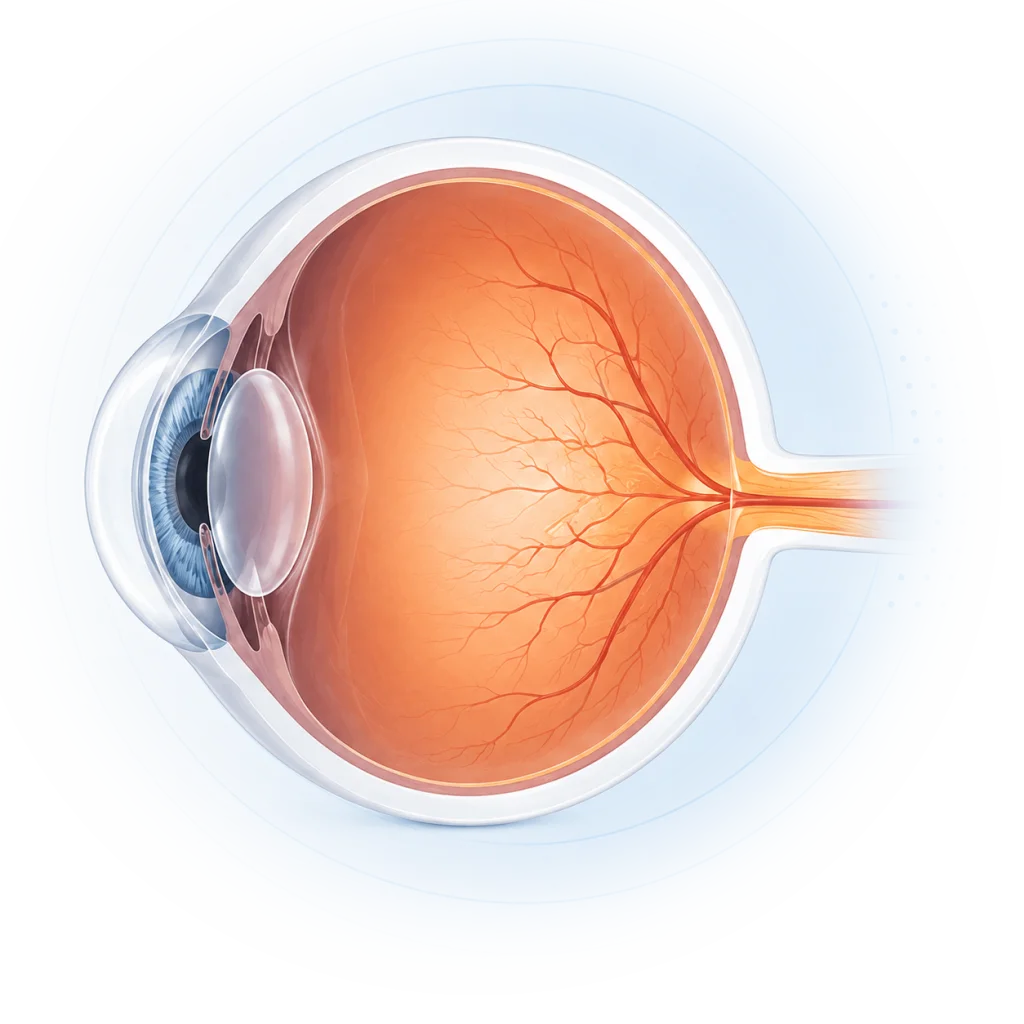
Age-related macular degeneration, often called AMD, is a common retinal condition that affects the macula. The macula is the part of the retina responsible for sharp central vision. When the macula is damaged, patients may have trouble reading, recognizing faces, seeing fine details, or completing close-up tasks.
AMD is generally classified into two main types: dry AMD and wet AMD.
Common symptoms of dry AMD

Because symptoms can be subtle at first, routine retinal evaluations are important for patients at risk.
How Valeda Light Therapy Works
Healthy retinal cells need energy to function properly. As we age, the cells in the retina can become stressed and less efficient. Photobiomodulation therapy uses specific wavelengths of light to stimulate cellular activity and support energy production inside the cells.
Valeda delivers light therapy at three wavelengths selected to target key cellular processes involved in retinal health. The treatment is designed to support mitochondrial function, improve cellular energy production, and encourage healthier retinal activity.
This process may help:
Valeda treatment does not replace regular retinal monitoring. Patients with dry AMD still need ongoing follow-up with their retina specialist to monitor retinal changes and watch for signs of disease progression.
Who May Be a Candidate for Valeda?
Valeda may be appropriate for certain patients with early to intermediate dry age-related macular degeneration. Eligibility depends on your retinal findings, visual acuity, imaging results, and overall eye health.
Ideal candidates generally have dry AMD with specific clinical features, such as drusen or certain non-central areas of geographic atrophy, and vision within the treatment range. Valeda is not intended for patients with wet AMD and may not be recommended for patients with advanced forms of dry AMD involving the center of the macula.
The only way to know whether you qualify is to schedule a consultation with a retina specialist. During your visit, our team will evaluate your retina, review your imaging, discuss your symptoms, and determine whether Valeda is a good fit for your condition.
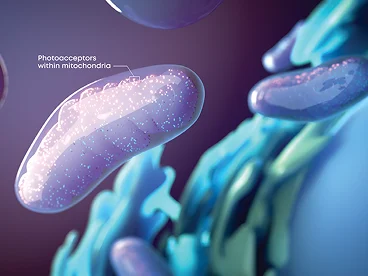
The retina is rich in mitochondria, and mitochondrial dysfunction is a known cause of vision loss in dry AMD.
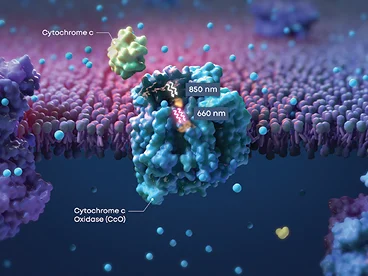
Cytochrome c oxidase (CcO) is a key photoacceptor in the mitochondrial electron transport chain.
Valeda™ PBM wavelengths activate CcO, enhancing electron transport and mitochondrial adenosine triphosphate (ATP) production, the cell’s major source of energy.
What to Expect
Your first step is to consult with a retina specialist at the Retina Macula Institute of Arizona. This appointment helps determine whether Valeda treatment is appropriate for your eyes and your stage of dry AMD.
Your consultation may include:
If you are a candidate and choose to move forward, our team will help you schedule your treatment visits.
The Clinical Research Behind Valeda
Valeda photobiomodulation therapy has been studied in multicenter clinical trials known as the LIGHTSITE studies. These studies evaluated the safety and effectiveness of photobiomodulation therapy in patients with dry age-related macular degeneration.
Clinical research has shown that some patients treated with Valeda experienced improvements in visual acuity and stabilization of certain retinal findings associated with dry AMD. Research also suggests that photobiomodulation may help reduce the likelihood of progression to more advanced stages in some patients.
As with any medical treatment, results can vary. Valeda is not a cure for AMD, and it may not be appropriate for every patient. Your retina specialist will explain what the research means for your specific diagnosis and whether this therapy is a reasonable option for your condition.
Request an Appointment at Retina Macula Institute of Arizona
Valeda light therapy is available at the Retina Macula Institute of Arizona in Scottsdale.
If you have been diagnosed with dry age-related macular degeneration, schedule a consultation to find out whether Valeda photobiomodulation therapy may be right for you. If you are already a patient, ask your retina specialist about Valeda at your next visit.
Call today to schedule an appointment and learn whether you may be a candidate for Valeda light therapy.